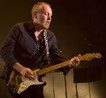








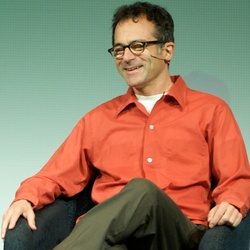
Queensland Premier Anna Bligh welcomes delegates and Michael Azerrad talks about the future of music at the 2010 BIGSOUND music conference.
Azerrad provided the Opening Keynote Address at BIGSOUND. He's a respected US music journalist and author of pivotal books Our Band Could be Your Life and Nirvana biography Come As you Are as well as the blog You And What Army.He offered observations from his experience witnessing the DIY approach of underground rock acts like Husker Du, the Replacements, Sonic Youth and Fugazi from 1981-1991, covering in Our Band Could Be Your Life
Interviewed by Steve Bell from Time Off magazine, Azerrad admitted he hated writing initially, but wrote for Rolling Stone within two years of beginning.
The book, he said, focused on "Johnny Appleseed" bands as markers, from Black Flag until the Nirvana's mainstream success and admitted he included bands he didn't actually like but followed the stories.
He said the most interesting act was Butthole Surfers, which he called "the most depraved band, but also one of the most hard-working".
"That showed what bands needed then and what they need now in order to succeed," he continued.
He noted that following Nirvana's breakthrough, "All of a sudden the underground wasn't something that was shunned."
Azerrad joked more than once that the "current environment" of the industry that everyone keeps mentioning is code for "we're losing a lot of money".
The DIY attitude of those bands has much relevance today, Azzerad finding parallels between the '80s underground and the online revolution. "They made their own shadow system" record labels, magazines, radio shows and stores, he said. Now, instead of fanzines there are blogs open to an "exponentially larger" audience.
He quelled fears of the music industry dying, saying technology has enabled DIY with far greater power, "When phonograph came out people were worried that the bottom would fall out of the concert industry."
Arcade Fire were chosen as a good example of current independent success in live music prompted by filesharing.
He discussed some of the failures of internet hype bands like Tapes N Tapes and Clap Your Hands Say Yeah. "It's just part of rock n' roll," he says, "If you don't want to be discovered before you're ready, don't put out a record before you're ready."
And he finished up talking about the future of music criticism. "Criticism is widespread because criticism is quite cheap," he said, noting the difference between criticism and journalism. "The more people are thinking about music the more they are appreciating it," he said, claiming that a more positive future is on the side of music journalism rather than criticism.