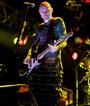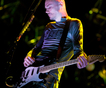








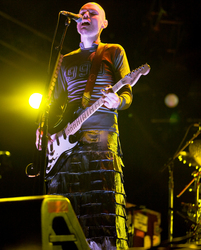
Smashing Pumpkins front man Billy Corgan has appeared before congress in the United States together with Mitch Bainwol, the chairman and CEO of the RIAA.
The pair spoke before the House Committee on the Judiciary during a hearing on the Performance Rights Act, which was deciding on a law which would force radio stations to pay royalties to both musicians AND songwriters on the songs that they play.Corgan said he has a “particular sensitivity when it comes to artists' rights.
Currently, if you cover your favourite Smashing Pumpkins song, and it gets played on the radio, Billy Corgan receives royalties and you don’t. If the law changes, both you and Billy will receive payment, because the Corgster is saying your input is just as important as his.
“This issue is one of fundamental fairness,” Corgan said. “If the performance of a song has value to a particular terrestrial radio station in its airing, I believe it is only right to compensate those performers who have created this work. Simply put, if a station plays a song, both the author and the performer should be paid. These particular performances must have value to the stations or they wouldn't be playing them.
He added that "being a performer requires countless hours of dedication to your craft. It is not an easy business to undertake, and for every success story, there are many who have not had the opportunities that I've had. We must consider that, for many artists, the difference between receiving these resources is the difference between a life in music and a life out of music.”
Mitch Bainwol added a fairly blunt message, saying "This issue isn't as complicated as the broadcasters suggest. On the contrary, it's pretty simple when you get down to it. This year radio will spin almost a billion songs in the United States, leading to billions in revenue from advertising. The payment to artists and labels for use of those recordings, however, will not amount even to a penny.”
Corgan was there as a representative of musicFIRST, an organisation that stands for “fairness in radio”.