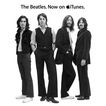








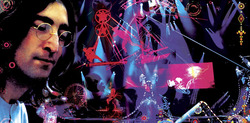
The Beatles are biting the hand that feeds them with the new release `All Together Now`, according to Record Store Day founder Michael Kurtz.
Kurtz has written an open letter to Paul McCartney, Ringo Starr, Olivia Harrison and Yoko Ono, pleading for The Beatles corporation not to ignore the stores that made the band famous in the first place more than 40 years ago.In the USA, the forthcoming ‘All Together Now’ DVD will be sold exclusively by retail chain Best Buy. Kurtz says, “There was once a young band called The Beatles who were discovered by a record store owner by the name of Brian Epstein. We all know the history of how the boys changed the world. But less is known about how this record store owner believed in a young band and helped them when they needed it most.”
“It is a sad day for mom and pop record stores and Beatles fans who chose to shop with record stores,” he says. “Where once Apple releases would be made available to all music stores, The Beatles legacy is now cheapened by your decision to select Best Buy as the exclusive retailer”.
The move away from the real music fans stores to grab a fast buck has become common in the last year. The Eagles were first to do an exclusive deal with Wal-Mart. AC/DC ‘Black Ice’ is another Wal-Mart exclusive. Guns ‘n’ Roses ‘Chinese Democracy’ will be exclusive to Best Buy in the USA.
There is a growing movement to sacrifice the buying patterns of the active music fan for the passive passer-by who purchases music by impulse. The extension of this thinking will destroy the music store and turn music into a utility purchase.
Not that the labels care. “We can’t get a commitment to a marketing spend to the degree a Wal-Mart or Best Buy will commit to,” one label insider who prefers to remain anonymous told Undercover. “Wal-Mart and Best Buy are offering an advertising budget we cannot afford ourselves and taking the stock on a firm sale basis.”
Music stores traditionally take stock on a sale or return basis. The Wal-Mart and Best Buy deals offer acts like The Beatles, AC/DC, G ‘n R and the Eagles a guaranteed pay-check. It is a hard offer to refuse in a soft music market.
The Eagles, for instance, sold 3 million copies of ‘Long Road Out of Eden’ to Wal-Mart for $10 a unit and made an instant $30 million in advance. In the traditional record company model, the band would have been given an advance to record the album and made revenue from sales with payment maybe made 12 - 18 months later.
For the Eagles, it was smart. They released ‘Long Road Out of Eden’ as an independent act and recouping as fast as possible made good business sense.
For The Beatles, tor AC/DC, they are tied to major labels. They get the money up front and at the back end. They are getting fed at both ends of this food chain. It is just plain greedy.
The record store cannot survive without the support of the industry. If the record industry and major acts like The Beatles and AC/DC choose a model based on greed, then they will have the blood of the record store on their hands.
But then again, greed is good. At least it is if you think Michael Douglas movies are documentaries instead of fiction.